
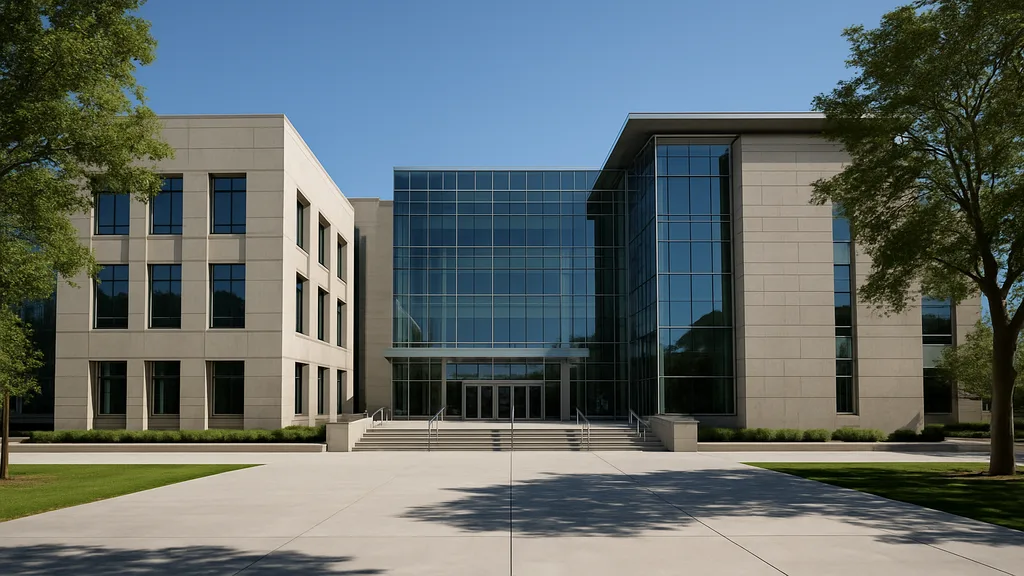
Sacramento Superior Court serves as one of California's largest trial courts, handling criminal, civil, family, probate, and juvenile matters across multiple courthouse locations. Recent procedural changes affect how attorneys and litigants interact with the court. Here is an overview of key updates that anyone with pending or anticipated court matters should be aware of.
Electronic Filing Requirements
Sacramento Superior Court has expanded mandatory electronic filing (e-filing) across most case types. Civil unlimited cases, family law matters, and probate cases must be filed electronically through an approved Electronic Filing Service Provider (EFSP). Criminal cases, small claims, and certain other case types may still accept paper filings, but e-filing is encouraged when available.
For litigants who are self-represented, the court provides fee waivers for e-filing fees when the litigant qualifies for a fee waiver under Government Code Section 68631. Attorneys are required to e-file in all case types where electronic filing is mandatory.
Remote Hearing Procedures
Following the expanded use of remote appearances during the pandemic, Sacramento Superior Court has adopted permanent rules allowing remote participation in certain proceedings. Under California Rules of Court, Rule 3.672, parties may request to appear remotely for most non-evidentiary hearings, including case management conferences, status conferences, law and motion hearings, and many probate calendar matters.
Evidentiary hearings, trials, and preliminary hearings generally require in-person appearances unless the court grants a specific request for remote participation. Sacramento Superior Court uses approved video conferencing platforms for remote appearances — parties should verify the specific platform and check-in procedures before their hearing date.
Criminal Case Processing
Sacramento Superior Court's criminal division continues to manage a substantial caseload. The court has implemented differentiated case management (DCM) procedures to process cases more efficiently. Cases are categorized by complexity and assigned to appropriate tracks, with the goal of resolving less complex cases more quickly while providing additional time and resources for serious felony matters.
Arraignment calendars in Sacramento remain high-volume. Defendants who retain private counsel before arraignment can often have their attorney appear on their behalf for misdemeanor cases under Penal Code Section 977, avoiding the need to appear in person for routine proceedings.
Probate Division Updates
The probate division at Sacramento Superior Court handles estate administration, trust matters, conservatorships, and guardianships. Recent updates include streamlined procedures for uncontested probate petitions, expanded use of remote hearings for probate calendar matters, updated local rules regarding petition formatting requirements, and revised requirements for inventory and appraisal filings.
The probate examiner's office continues to review petitions before hearing dates, and attorneys should anticipate receiving probate notes identifying deficiencies that must be corrected before the court will hear the petition. Addressing these notes promptly is essential to avoiding continuances.
Court Locations and Hours
Sacramento Superior Court operates from multiple locations throughout the county. The Carol Miller Justice Center on G Street serves as the primary downtown courthouse for criminal, civil, and probate matters. The William R. Ridgeway Family Relations Courthouse handles family law cases. Satellite courthouses in South Sacramento and other locations handle certain case types as assigned.
Standard court hours are 8:00 AM to 5:00 PM, Monday through Friday, with courtroom sessions typically scheduled at 8:30 AM, 1:30 PM, and 3:30 PM depending on the department. Holiday closures follow the state judicial calendar.
What This Means for You
If you have a pending case or anticipate filing in Sacramento Superior Court, work with your attorney to ensure compliance with current filing requirements and procedures. The court's website at www.saccourt.ca.gov provides the most current information on local rules, forms, and courtroom assignments.
At Abrate & Olsen Law Group, we practice regularly in Sacramento Superior Court across criminal, probate, and estate matters. We stay current on all procedural changes and ensure our clients' cases move through the system as efficiently as possible. Contact us if you have questions about any court matter in Sacramento.
Disclaimer: Court procedures change frequently. This article reflects information available at the time of publication. Contact the court directly or consult an attorney for the most current procedures.